 Maze Lodge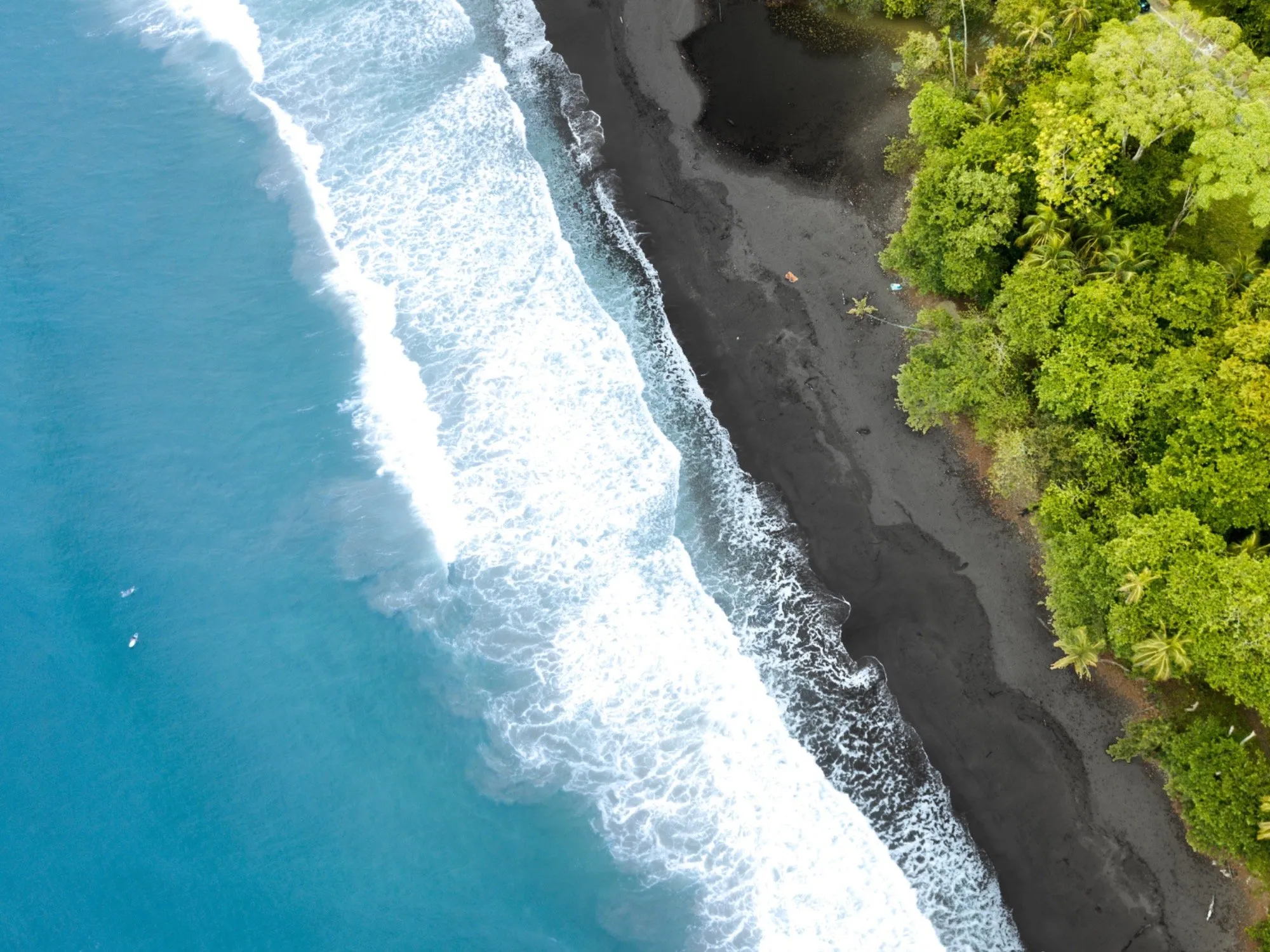
A turtle comes ashore in the dark, hauls herself up the sand above the tide line, digs for forty minutes with her back flippers, lays a hundred eggs, covers the nest, and drags herself back into the surf. She does not notice you unless you make her notice you, and if you do, she may abandon the whole attempt.
That is the entire briefing, really. Here is when it happens on the Osa, where, and how to be present without being a problem.
The short answer
- Main species: olive ridley, the smallest and most numerous of Costa Rica's sea turtles.
- Season: roughly July to December, peaking September to November.
- When: at night, most often on a rising tide.
- Where: the Pacific-facing beaches of the peninsula — Playa Platanares near Puerto Jiménez, and the long beaches south towards Carate.
- How: with a guide or a local turtle project. Not alone with a torch.
The season, month by month
- July: the first nesting females arrive. Numbers low, encounters possible.
- August: building. A good month to combine with whale season, which peaks at the same time.
- September–November: peak. The wettest months on the peninsula and the busiest on the beaches, which is not a coincidence — rain, high tides and dark skies suit turtles.
- December: tailing off as the dry season starts.
- January–June: occasional nesting, but not a season to plan around. Hatchlings from late-season nests can still emerge into the early months.
Green and hawksbill turtles are seen in the Golfo Dulce year round, feeding rather than nesting — you will often meet them on the boat tour.
Where it happens
Playa Platanares
Five minutes from Puerto Jiménez, long, dark-sanded and quiet. The most accessible nesting beach near town, and the one most guests end up on.
The beaches south towards Carate
Longer, wilder and less visited, running down the peninsula's Pacific edge towards the La Leona entrance of Corcovado. Conservation projects patrol several stretches here through the season.
Inside the park
Corcovado's beaches see nesting too, but access at night is restricted — for good reasons.
How to watch, properly
Every rule below exists because someone broke it and a turtle turned around.
- Go with a guide or a project. Not because it is required everywhere, but because they know where nests are, they know how to read a female's state, and your money funds the patrols.
- No white light. None. No torches, no phone screens, no camera flash. Guides use dim red light, which turtles do not react to. White light disorientates females coming ashore and sends hatchlings inland to die.
- Stay behind her and low. A turtle scanning the beach for movement will abort and go back to sea. Once she is laying she enters a trance-like state and is far less disturbable — that is when guides move you closer.
- Do not touch, ride, or block. Ever. Not the female, not the eggs, not a hatchling.
- Keep the beach dark and quiet. No fires, no music, and no dogs.
- Never buy turtle products — eggs, shell, anything. Egg poaching is the pressure that turtle projects exist to fight.
Hatchlings
Six to eight weeks after a nest is laid, the hatchlings emerge, usually at night, and run for the brightest horizon — which should be moonlight on water. Beachfront lighting is the reason so many go the wrong way. If you are lucky enough to be present, stand back, keep every light off, and let them get on with it. Do not carry them to the sea unless a project guide asks you to; the crawl matters to them.
The honest part
Turtle watching is a lottery. You can spend three nights on a beach in October and see nothing, and you can walk out for twenty minutes and meet a female hauling up the sand. Nobody controls this, and any operator promising a sighting is either lucky or lying.
What is reliable is the beach at night in the wet season: warm, black, loud with surf, with the forest behind you doing its own business. Bring that expectation and the turtle becomes a bonus rather than a disappointment.
Fitting it into a trip
The turtle season overlaps almost exactly with the southern humpback whale season and peak green-season wildlife, which makes September to November a genuinely strong window despite the rain — the case for it is in our month-by-month guide. A sensible night: dinner, an early night walk in the forest, then the beach later on a rising tide.
Frequently asked questions
When is turtle season on the Osa Peninsula?
Roughly July to December for olive ridley nesting, peaking September to November. Green and hawksbill turtles are in the Golfo Dulce year round but do not nest here in numbers.
What time of night do turtles come ashore?
Most often after dark on a rising tide. Guides plan around the tide table rather than the clock.
Can you see turtles without a guide?
You can walk a public beach at night, but you are far less likely to find anything, far more likely to disturb a female, and you contribute nothing to the patrols. Go with a project or a guide.
Can I take photos of nesting turtles?
No flash, ever. Some guides allow a photo with red light once a female is laying. Assume the answer is no unless told otherwise.
Is it suitable for children?
Yes, if they can manage a late night and stay quiet in the dark. It is a long wait for an uncertain event, which suits some children and not others.
Are turtle eggs still poached in Costa Rica?
Yes, which is exactly why the patrols exist and why your guide fee matters. More on the wider picture in our conservation guide.
A dark beach, ten minutes away
Maze Lodge is 5.8 km from Puerto Jiménez and a short drive from Playa Platanares — four private lodges from $110 a night. Tell us when you are here and we will check the tides, find out who is patrolling that week, and get you on the right beach on the right night.
Read it from the terrace.
Four private lodges from $110 a night.